The Overview Effect: How Space Science Transforms High-Performance Logic
— by
Steven Haynes
{
“title”: “The Overview Effect: How Space Science Transforms High-Performance Logic”,
“meta_description”: “Explore how the cognitive shifts experienced by astronauts inform high-stakes decision-making, operational resilience, and the future of human performance.”,
“tags”: [“Space Exploration”, “Cognitive Performance”, “Strategic Leadership”, “Operational Resilience”, “Decision Making”, “The Overview Effect”],
“categories”: [“Science”, “Strategy”],
“body”: “
The Cognitive Architecture of Extreme Environments
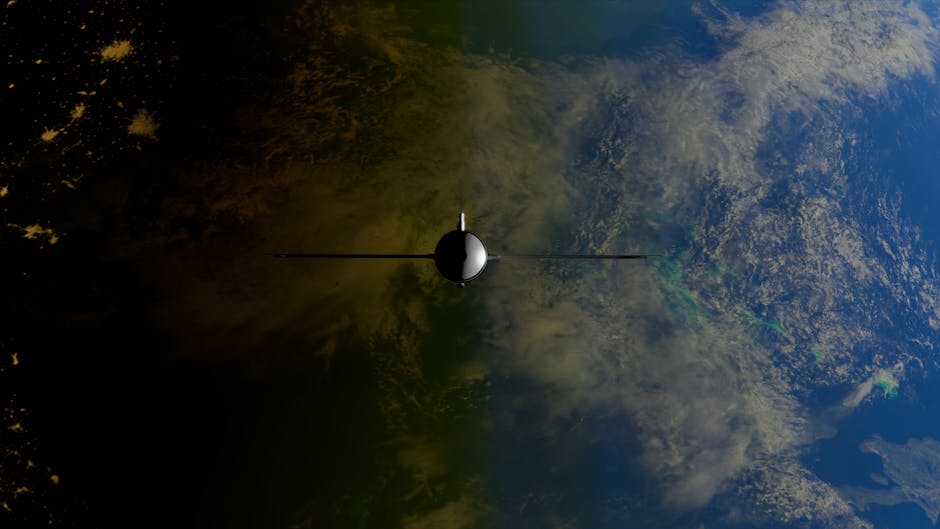
Most strategic failures stem from a narrow field of view. Leaders often trap themselves in the tactical weeds, losing sight of the broader systemic variables that dictate long-term success. Astronauts undergo a specific psychological phenomenon known as the Overview Effect—a cognitive shift triggered by the literal distance from the planetary surface. When Earth is viewed as a fragile, singular system, the brain prioritizes macro-level stability over micro-level disputes. For the operator on the ground, this is not just a poetic epiphany; it is a framework for high-stakes decision-making that emphasizes systemic continuity over temporary gains.
Human Physiology as Operational Infrastructure
Space travel acts as the ultimate stress test for human systems. When atmospheric pressure, radiation, and microgravity threaten biological integrity, wellness ceases to be a luxury and becomes an operational requirement. NASA and private space entities treat the human body as mission-critical infrastructure. This shift in perspective—viewing biology as a component of the overall operations architecture—is a powerful mental model for business leaders. If your cognitive bandwidth is a finite resource, sustaining that resource is not a matter of ‘self-care’ but a mandatory prerequisite for complex output.
Systems Thinking and the Constraint-Based Design
Space missions thrive on extreme constraints. In an environment where every kilogram and every calorie is accounted for, waste is non-existent. This philosophy of lean execution forces an intense level of intentionality. By adopting a space-mission mindset, executives can re-evaluate their own productivity systems. Just as a life-support system requires constant monitoring to ensure survival, a business requires the rigorous measurement of its core KPIs. When you operate under the assumption that resources are fixed and failure carries a high cost, your prioritization logic naturally shifts toward high-impact activities.
The Future of Performance: AI and Orbital Monitoring
Modern space exploration is no longer limited to human intuition; it relies heavily on artificial intelligence to manage life-support diagnostics. This integration of machine intelligence into human biology provides a roadmap for future professional environments. Leaders who successfully synthesize data-driven wellness metrics with real-time performance analytics will gain a significant competitive edge. The goal is to create a closed-loop system where physiological data informs strategic choices, mirroring the way spacecraft telemetry alerts ground control to potential system failures before they occur.
Scalability Through Environmental Mastery
The lessons learned from keeping humans alive in the vacuum of space are directly transferable to building resilient teams. Successful organizations must act as their own ‘habitats,’ creating internal cultures that buffer the chaos of external markets. By studying how leadership teams maintain cohesion in isolated, high-pressure environments, we learn that clarity of mission and redundant communication channels are the only defenses against systemic collapse. Expanding your professional horizon is less about doing more and more about understanding the environmental variables that make your current trajectory sustainable. Learn more about the evolution of these professional frameworks at The BossMind Network.







Leave a Reply